Six Nations of the Grand River Water Treatment & Distribution System
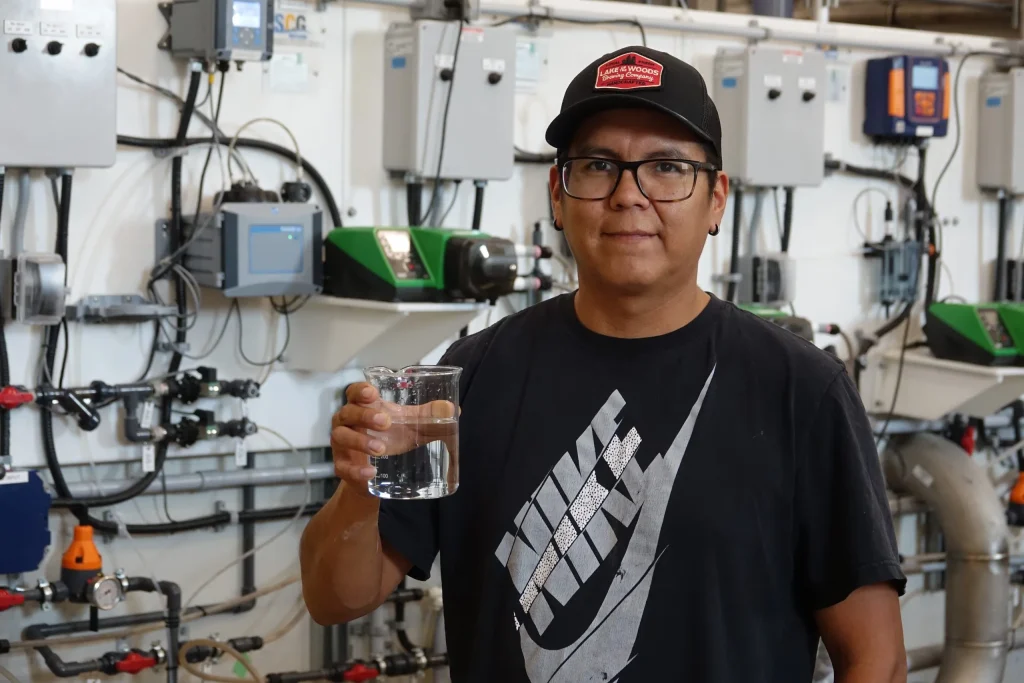
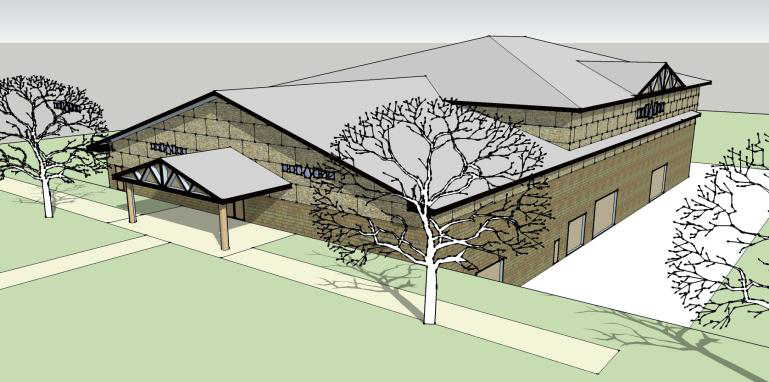
FNESL delivered full design and contract administration services for a new water supply system serving the Six Nations of the Grand River community. The project included a new Grand River intake, low-lift pumping station, and a 47 L/s membrane-filtration water treatment plant with conventional pre-treatment, biological polishing, and UV/H₂O₂ advanced oxidation.
Designed for the Grand River’s highly variable water conditions, where turbidity can reach 1,300 NTU, the facility ensures consistent, safe, and high-quality drinking water. Deep foundations driven 65 feet to bedrock provide structural stability on poor soils, while the building’s layout gives operators direct oversight of treatment areas. A lower-level walk-out enables efficient and safe chemical deliveries, supporting safe and efficient day-to-day operations.
The project required coordination with multiple federal and provincial agencies, including Indigenous and Northern Affairs Canada, Environment Canada, the Department of Fisheries and Oceans, Health Canada, HRSDC, the Ontario Ministry of the Environment, and the Electrical Safety Authority.
Fully integrated SCADA automation provides precision control and monitoring across all treatment stages, reflecting FNESL’s commitment to reliable performance and sustainable design.
The Six Nations Water Treatment Plant was commissioned in 2014.
- Owner: Six Nations of the Grand River
- Funder: Indigenous Services Canada
- Design Engineer & Contract Administrator: FNESL
- Contractor: Maple Reinders
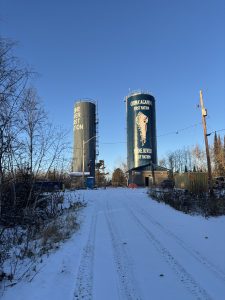
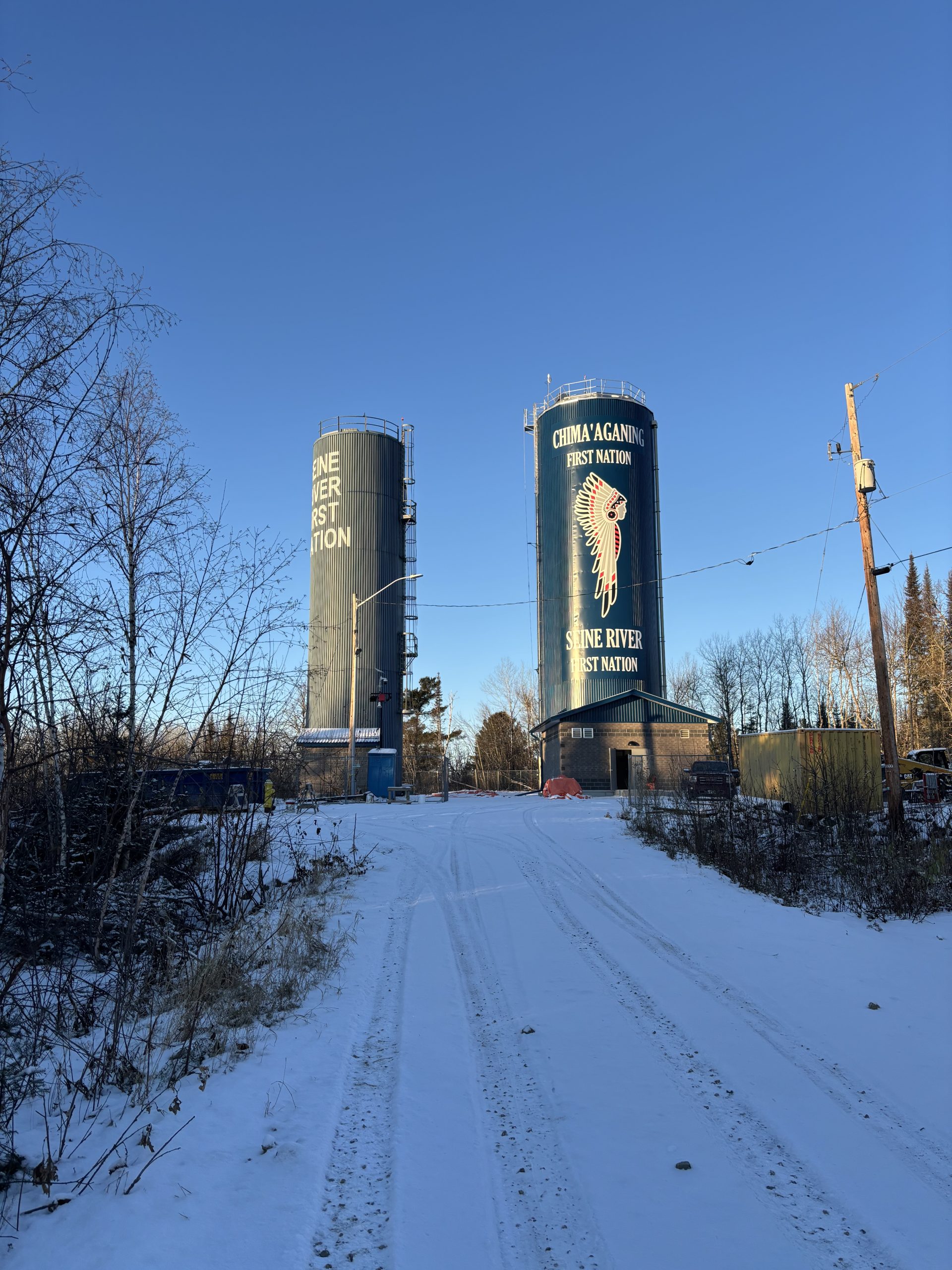
Seine River Standpipe
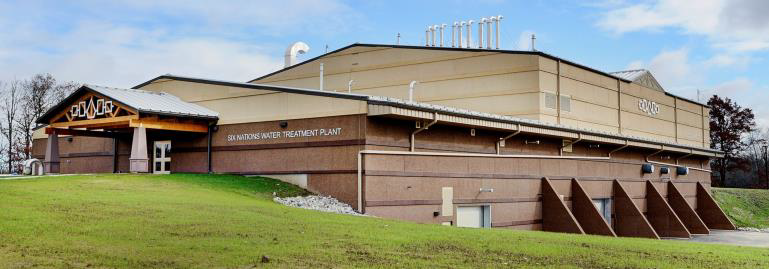
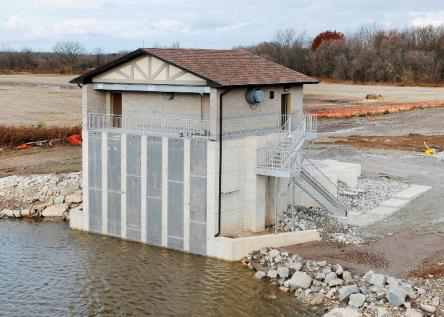
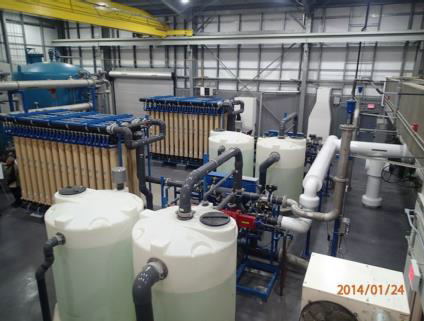
The New Standpipe Project in Seine River First Nation addresses critical limitations in the community’s existing water storage infrastructure. Through detailed hydraulic analysis and system planning, FNESL designed a new standpipe and supporting distribution upgrades to ensure reliable pressures, adequate fire protection, and long-term operational performance of the water system.
First Nations Engineering Services Ltd. (FNESL) served as the Design Engineer and Contract Administrator for the New Standpipe Project in Seine River First Nation, which was awarded in 2022. The project was initiated following an updated Water Treatment Feasibility Study which evaluated the community’s long-term water storage requirements and the operational limitations of the existing infrastructure.
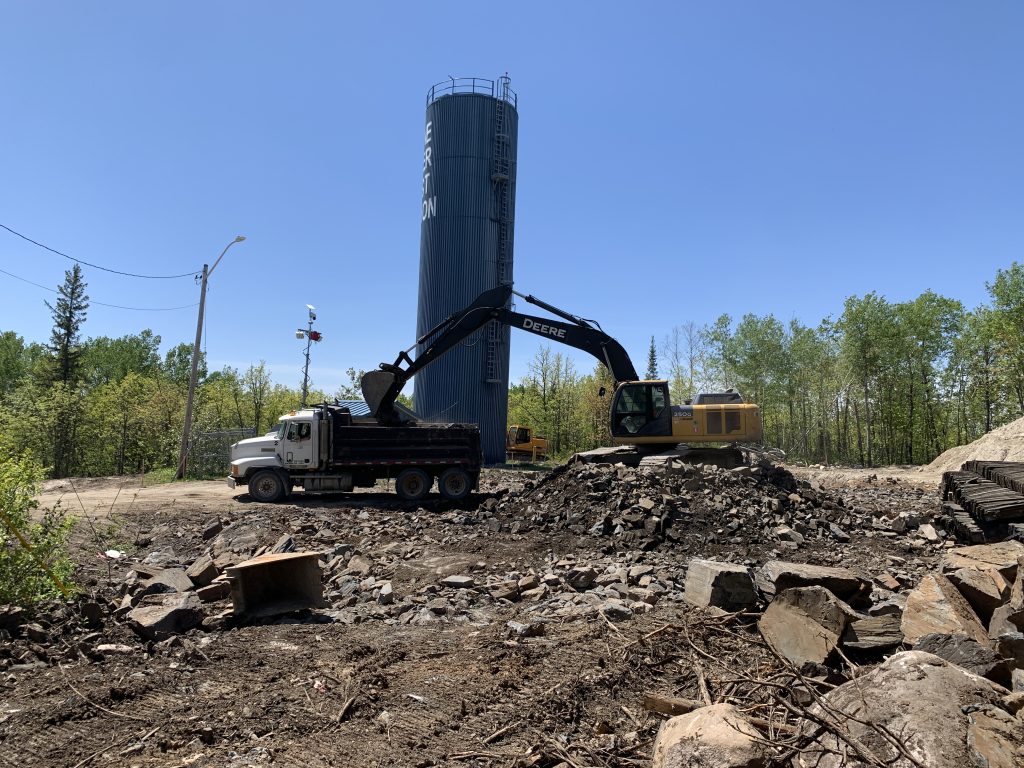
The existing water distribution system included a 500 m³ standpipe located at one of the highest elevations in the community. Operational challenges had been identified with the aging structure; it was being operated at approximately half capacity which significantly limited the usable storage volume and reduced the system’s ability to maintain consistent pressures throughout the distribution network. In addition, the manufacturer confirmed that the tank design was no longer used for potable water; ultimately the structure had effectively reached the end of its service life, with failing gaskets, coatings, and structural components that would require a complete rebuild to remain operational and meet the growing communities needs.
To address these issues, FNESL completed a comprehensive evaluation of the community’s water storage requirements and the overall performance of the distribution system. Hydraulic modelling was undertaken to analyze future demands, pressure requirements, and fire protection needs over a 20-year planning horizon. The analysis considered both community growth and fire flow requirements for key community buildings, and other critical facilities throughout the territory.
The recommended solution included the design and construction of a new standpipe sized to meet equalization, emergency storage, and fire protection requirements while supporting the installation of sprinkler systems in critical community facilities. The new system was designed to integrate with upgraded distribution infrastructure and coordinate directly with the existing Water Treatment Plant pumping and control systems. Design considerations prioritized long-term reliability, water quality management, operational efficiency, and minimal disruption to the existing water supply during construction.
FNESL applied a structured project delivery approach to ensure the successful implementation of the new water storage infrastructure. The process began with the conceptual design phase, where existing infrastructure conditions were reviewed, site investigations were completed, and key project parameters were established with the project team. This work included topographical surveying, geotechnical investigation coordination, environmental review, and confirmation of the dimensional and operational requirements of the standpipe. The outcome of this phase was the preparation of a conceptual design brief that established the preferred storage configuration and confirmed the technical direction of the project with the project team and broader community.
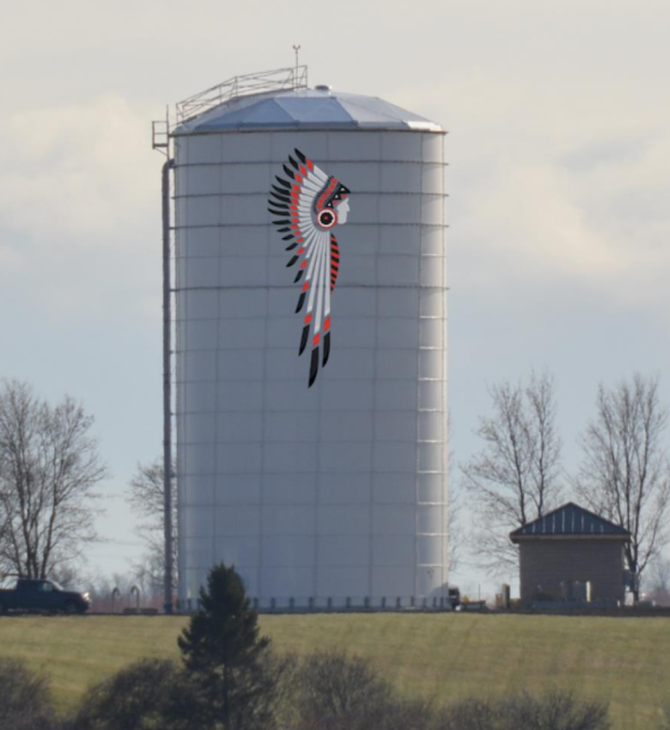
Following conceptual planning, the project advanced into the detailed design phase, during which FNESL prepared comprehensive engineering drawings, technical specifications, and control strategies for the new storage facility. Design work included integration with the existing water treatment plant controls, process piping and valve chamber design, electrical and control systems, backup power provisions, and planning for the eventual decommissioning of the existing standpipe once the new facility was fully commissioned.
Following conceptual planning, the project advanced into the detailed design phase, during which FNESL prepared comprehensive engineering drawings, technical specifications, and control strategies for the new storage facility. Design work included integration with the existing water treatment plant controls, process piping and valve chamber design, electrical and control systems, backup power provisions, and planning for the eventual decommissioning of the existing standpipe once the new facility was fully commissioned.
Once the design was finalized, FNESL led the tendering process, including contractor pre-qualification, tender call, site meetings, tender evaluation, and recommendation for award. During construction, FNESL provided full contract administration and field inspection services to ensure that the work was completed in accordance with the approved drawings, specifications, and regulatory requirements. This included shop drawing review, construction monitoring, materials testing coordination, and quality assurance inspections throughout the project.
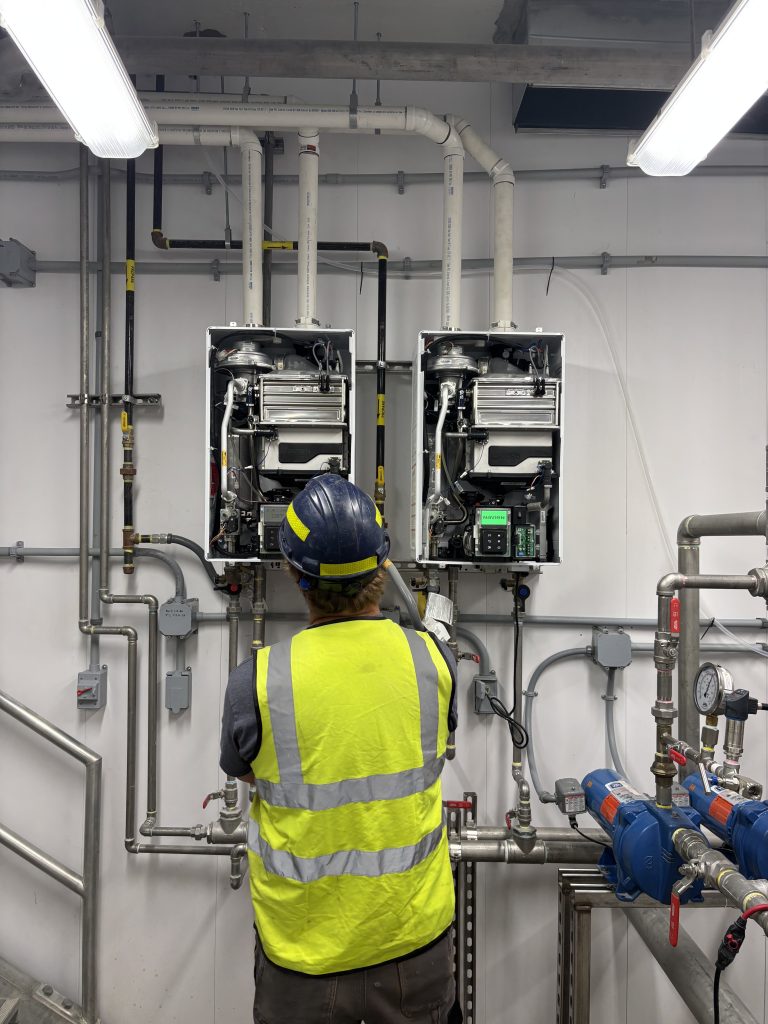
The project concluded with a comprehensive commissioning and startup phase where the new standpipe was tested, disinfected, and integrated into the community’s water treatment and distribution system. FNESL oversaw system commissioning, operator training, and the preparation of operations and maintenance documentation to ensure that community operators could effectively manage the new infrastructure. Following successful commissioning, the existing standpipe was decommissioned and removed from service, and the project transitioned into a warranty and post-construction support period.
Through careful planning, technical analysis, and collaborative engagement with the community, the project successfully delivered a modern water storage facility designed to support the long-term reliability, safety, and resilience of the Seine River First Nation water system.
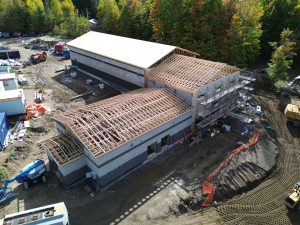

Algonquins of Pikwakanagan First Nation Water Treatment System
The Algonquins of Pikwakanagan First Nation Water Supply and Treatment System project represents a major step forward in providing safe, reliable drinking water to the community.
First Nations Engineering Services Ltd. (FNESL) is proud to have provided Engineering Design and Contract Administration services for the Algonquins of Pikwakanagan First Nation Water Supply and Treatment System project. Awarded in 2020, the project represents the culmination of a decades-long effort to secure a safe, reliable, and sustainable water system for the community, an objective first formally recommended in 1992 and further supported through feasibility studies and investigations completed throughout the 1990s and most recently through the 2018 Water Feasibility Study.
The system is designed to provide a long-term, sustainable drinking water solution for the community, addressing historical concerns related to existing well supply limitations and water quality challenges. The treatment system utilizes slow sand filtration with appropriate disinfection processes to ensure reliable removal of contaminants while maintaining operational simplicity and long-term resilience.
FNESL’s project approach included extensive planning, site investigations, hydraulic analysis, and environmental considerations to determine the optimal location and configuration of the surface water intake and treatment system. Working alongside specialist sub-consultants, the design process evaluated river conditions, water levels, and climate change considerations to ensure the infrastructure would perform reliably under varying environmental conditions.
The project progressed through a structured engineering process including preliminary design, detailed design, tendering, and construction administration. FNESL coordinated technical studies such as geotechnical investigations, water demand and fire flow analysis, pilot testing of treatment processes, and the development of operational and maintenance plans to support long-term system performance.
In addition to delivering technical infrastructure, the project emphasized community involvement and capacity building. FNESL incorporated opportunities for local participation and skills development, including the employment and training of a community member during the design phase. This approach supported knowledge transfer and strengthened local capacity to operate and maintain the water system into the future.
This project marks a significant milestone in advancing long-term water security and infrastructure resilience for the Algonquins of Pikwakanagan First Nation, ensuring the community has access to a safe and reliable drinking water system to support future growth.
Project Highlights
- Client: Algonquins of Pikwakanagan First Nation (AoPFN)
- Year Awarded: 2020
- Services Provided: Engineering Design and Contract Administration
- Project Scope: Design and construction of a new surface water treatment system including intake works, treatment facilities, storage, and distribution infrastructure
- Treatment Process: Slow Sand Filtration Water Treatment Plant
- Distribution Infrastructure: Approximately 4,500 m of new watermain to improve service coverage and fire protection
- Project Partners: Adam Kasprzak Surveying Ltd., Associated Engineering, Wood PLC., Baird, Rider Levett Bucknall
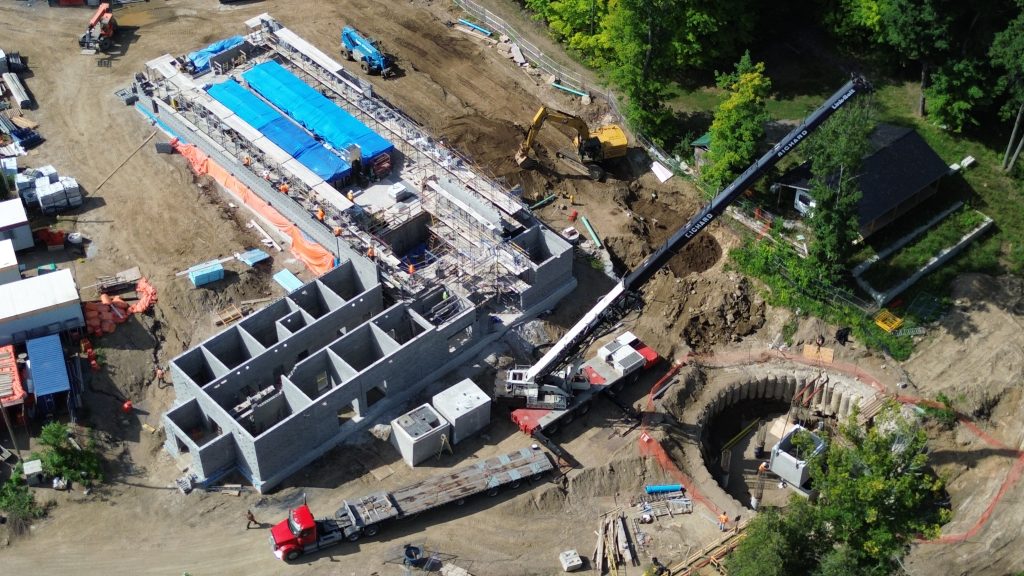
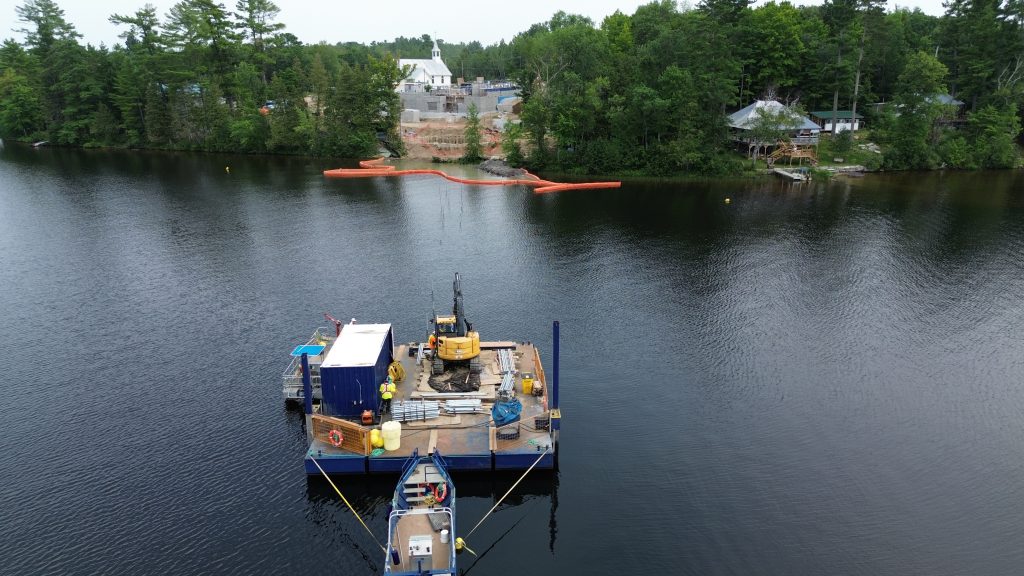


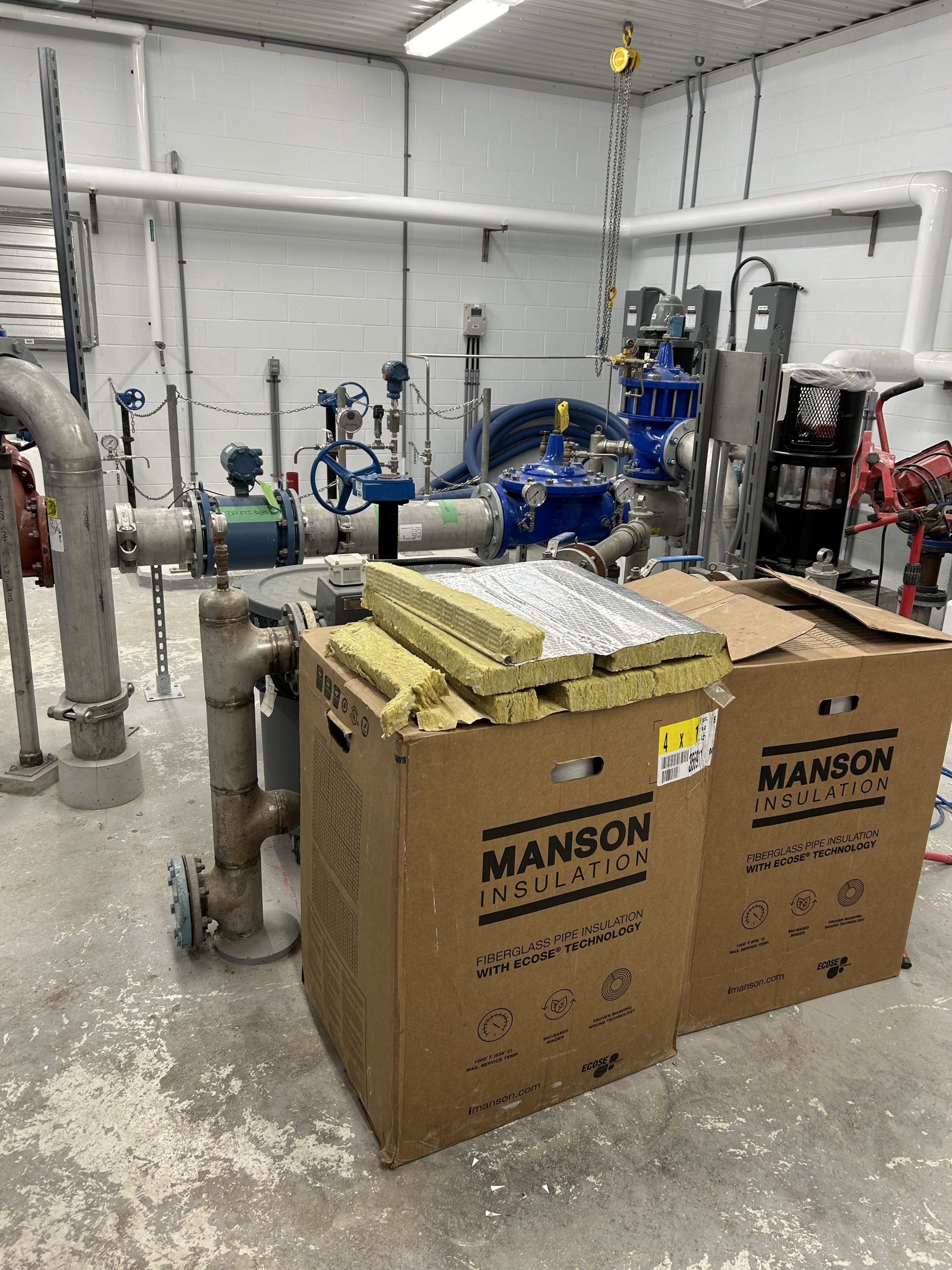
Nipissing First Nation – Garden Village Water Treatment Upgrade
The Garden Village Water Treatment Plant Upgrade in Nipissing First Nation modernized the community’s existing treatment infrastructure to improve system reliability and address disinfection by-product concerns. The upgrade strengthens the long-term performance and safety of the community’s potable water supply.
Nipissing First Nation, located on the north shore of Lake Nipissing near North Bay, Ontario, required upgrades to the existing Garden Village Water Treatment Plant to address operational challenges and strengthen the reliability of the community’s potable water system. The existing treatment system had served the community for many years, and upgrades were required to modernize the facility and address concerns related to disinfection by-products while ensuring long-term regulatory compliance and operational performance.
The Garden Village Water Treatment Plant Upgrade was undertaken to enhance and modernize the water treatment infrastructure serving the community. The project focused on improving the reliability, performance, and operational efficiency of the existing treatment system while maintaining uninterrupted water service throughout the construction process. FNESL provided Contract Administration and Field Review services, supporting the successful delivery of the upgrade and ensuring construction quality, regulatory compliance, and adherence to engineering standards throughout the project.
The project followed a structured implementation approach beginning with contractor pre-qualification and tendering. FNESL coordinated the pre-qualification process to ensure that contractors with appropriate experience in complex water treatment plant construction were selected to bid on the project. Following the tender period, FNESL completed the tender analysis and provided a recommendation for contract award, ensuring that all required documentation such as bonding, insurance, and construction scheduling was in place.
During construction, FNESL provided comprehensive contract administration services to support the project team and ensure that the work was completed in accordance with the approved design drawings, technical specifications, and regulatory requirements. Responsibilities included coordination of project meetings, review of contractor submissions and shop drawings, preparation of change orders, evaluation of contractor progress claims, and ongoing communication with the First Nation project team. Senior engineering staff oversaw the project to ensure the operational intent of the design was maintained throughout construction. Field review services were also provided by experienced FNESL inspectors who performed full-time monitoring of construction activities.
The project concluded with a comprehensive commissioning process designed to ensure that all treatment equipment, control systems, and mechanical components operated according to the design criteria. Commissioning was completed in both manual and automated stages to confirm proper operation of treatment processes and system controls prior to initiating a 14-day performance test. Following successful testing, the project advanced to substantial completion and final system acceptance.
As part of project close-out, FNESL coordinated the preparation of as-constructed drawings and developed a detailed Standard Operating Procedures manual for the facility. This documentation provides community operators with guidance on system operation, maintenance schedules, and process controls, supporting the long-term performance of the upgraded treatment plant. FNESL also provided technical support throughout the warranty period to ensure any deficiencies were addressed and the system continued to operate as intended.
The upgrade was designed to ensure Nipissing First Nation maintains a safe, reliable, and resilient potable water supply that meets and exceeds applicable Federal and Provincial regulations, standards, and guidelines while supporting the long-term sustainability of the community’s water infrastructure.
Project Highlights
- Client: Nipissing First Nation
- Year Awarded: 2021
- Services Provided: Engineering Design and Contract Administration
- Project Scope: Assessment of existing groundwater wells and source water requirements, design and construction of a significant expansion to the existing water treatment system including Axiom ion exchange filtration.
- Treatment Process: GUDI well groundwater treatment
- Project Partners:
The project was delivered through four key phases:
- Pre-Qualification of General Contractors: Evaluation and selection of qualified contractors capable of completing the specialized upgrade work.
- Tendering: Preparation and management of the tendering process to procure construction services.
- Construction: Contract administration and field reviews to monitor progress, verify compliance, and maintain project quality standards.
- Project Completion: Final inspections, documentation, and commissioning to ensure the upgraded facility was fully operational.


Mohawks of the Bay of Quinte Water Treatment and Distribution System
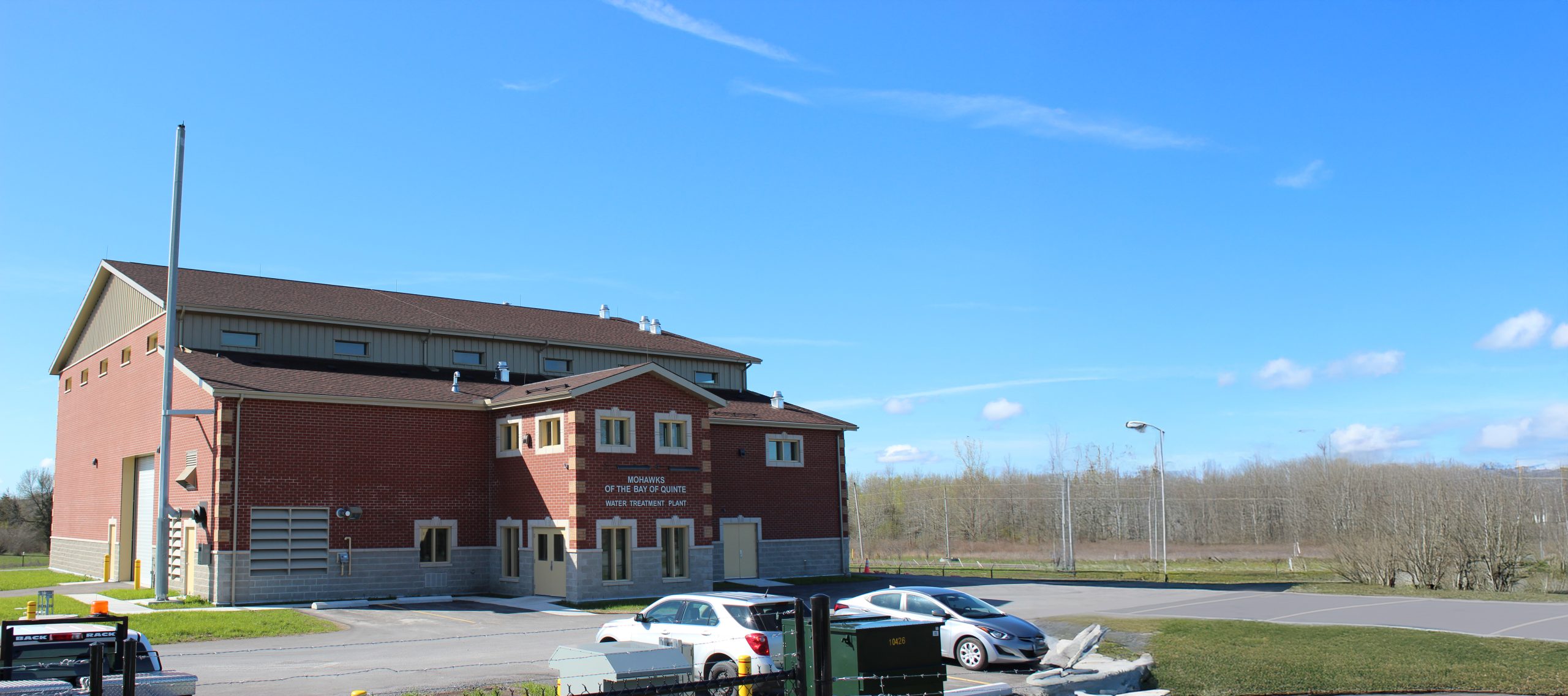
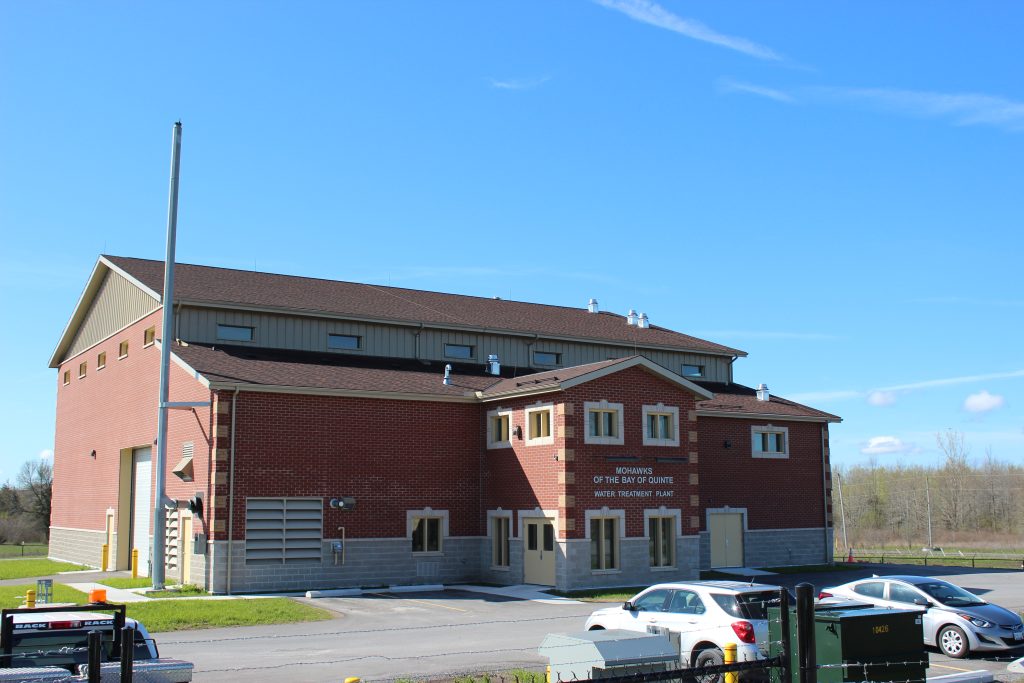
FNESL provided project planning, design, and construction services for the Mohawks of the Bay of Quinte Water Treatment Plant. The project was awarded 2017 Ontario Public Works Association Project of the Year Award for Small Municipality and First Nation Communities.
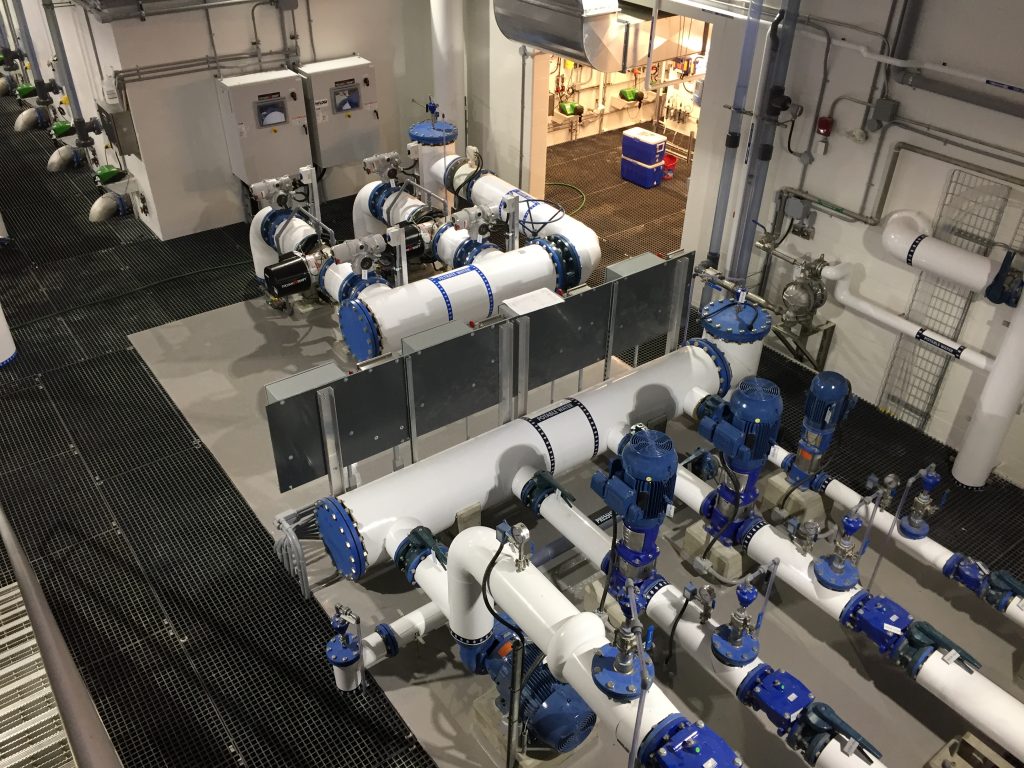
The design includes a water distribution system, surface water intake to the Bay of Quinte, a raw water pump station and forcemain connection to a new water treatment plant consisting of membrane filtration, UV reactors, chlorination and chloramination for residual disinfection. FNESL incorporated a gravity feed approach to store water in the glass lined steel bolted standpipes. These in turn fed the high lift distribution pumps in the plant by gravity. Spending the extra time to develop a gravity flow treatment to storage to high lift pumps reduced overall capital for the project and reduced operational costs for the community by eliminating double pumping.




Paragraph talking about the standpipe water storage


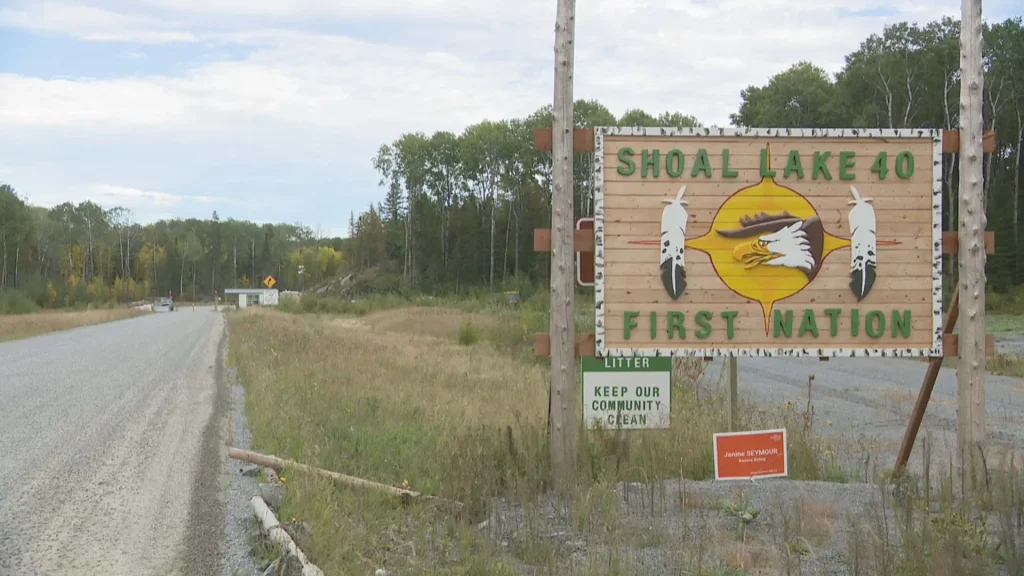
Shoal Lake 40 First Nation Water Treatment & Supply System
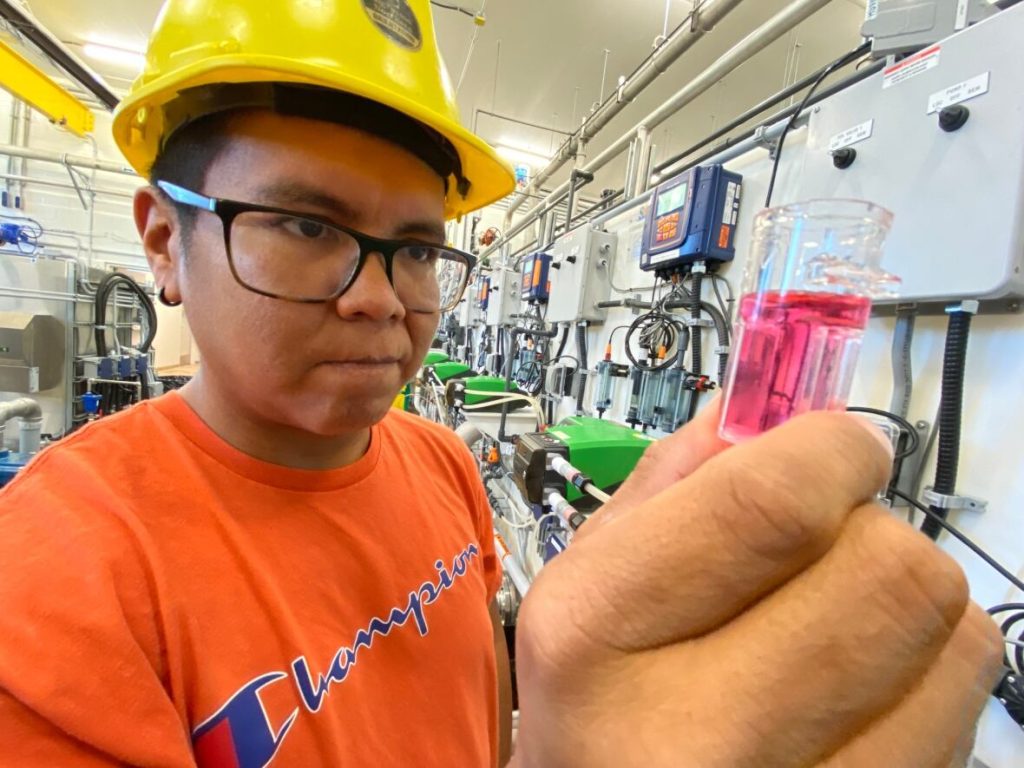
First Nations Engineering Services Ltd. designed an award-winning water treatment plant for Shoal Lake #40 First Nation. Completed in 2021, the water treatment plant was presented the Ontario Public Works Association (OPWA) Project of the Year – Small Municipality or First Nation Award the following year.
The completion of the Shoal Lake 40 Water Treatment Plant marks an historic milestone for the Shoal Lake 40 First Nation community, located on the Manitoba/Ontario border on the shores of Shoal Lake. After 24 years without safe drinking water, residents can feel secure drinking a glass of water from their faucets.
Over 20 years, three separate and suitable water treatment and distribution options were considered, designed, had preliminary approvals obtained, then ultimately delayed, and refused by the Government of Canada. Eventually in 2015, following a worldwide campaign of public support, the Federal government, the City of Winnipeg and the Province of Manitoba agreed to correct the unjust isolation and suppression of this First Nation community and cost share an all-weather access road. In 2019, Freedom Road was completed, connecting Shoal Lake #40 back to the mainland and providing secure road access that enabled economical and reliable transport of supplies and equipment for the construction of the long-delayed water treatment system.
The solution combined thoughtful engineering and practical design. A new water treatment plant was constructed near an existing pumphouse, drawing water from the lake and treating it with a multi-stage system including roughing filters, ozonation, slow sand filtration, granular activated carbon, and dual disinfection. A reinforced concrete reservoir and diesel backup system added security and reliability.
The scope of the project included the following components:
- Preparatory site works
- Access road, hydro, and communication services upgrade
- Construction of the water treatment plant which utilizes a slow sand process with ozonation pre-treatment,
granular activated carbon polishing filter, and disinfection via UV light followed by chlorination - 180 metres raw water intake pipeline and structure in Shoal Lake
- Low lift station
- A water distribution system that included 4150 metres of underground watermain and 5100 metres
of marine watermain to connect the new water treatment plant to existing pumphouses - Compliance with Anishinaabe laws, ceremonies, and protocols.
- Protection of medicinal plants and sacred sites
- Operator training
FNESL provided comprehensive contract administration and field review services throughout the four-year project, overseeing construction and ensuring adherence to quality and safety standards.
Completed at a construction value of $32 million, this project delivered more than infrastructure: it brought lasting access to safe, clean drinking water for all Shoal Lake 40 residents.
Largest Contract to Mandate Use of Indigenous-owned Contractors
This was treated as a pilot project for the requirement of 51% Indigenous-owned contractors to complete the work. Through a joint venture, the local Kekekoziibii Development Corporation and Sigfusson Northern worked together to satisfy this requirement. The project also employed many skilled First Nations workers and contractors from inside and outside the Shoal Lake 40 community.
Project Highlights
- Client: Shoal Lake 40 First Nation
- Year Awarded: 2019
- Services Provided: Engineering Design and Contract Administration
- Project Scope: Design and construction of a new surface water treatment system including intake works, treatment facilities, storage, and distribution infrastructure
- Treatment Process: Slow Sand Filtration Water Treatment Plant
- Distribution Infrastructure: Approximately 4,500 m of new watermain to improve service coverage and fire protection
- Project Partners: Associated Engineering, WSP Inc., Baird
- Contractor: Shoal Lake 40 Contractors Inc. in joint venture with Sigfusson Northern.