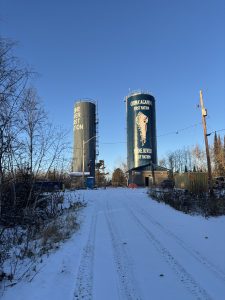
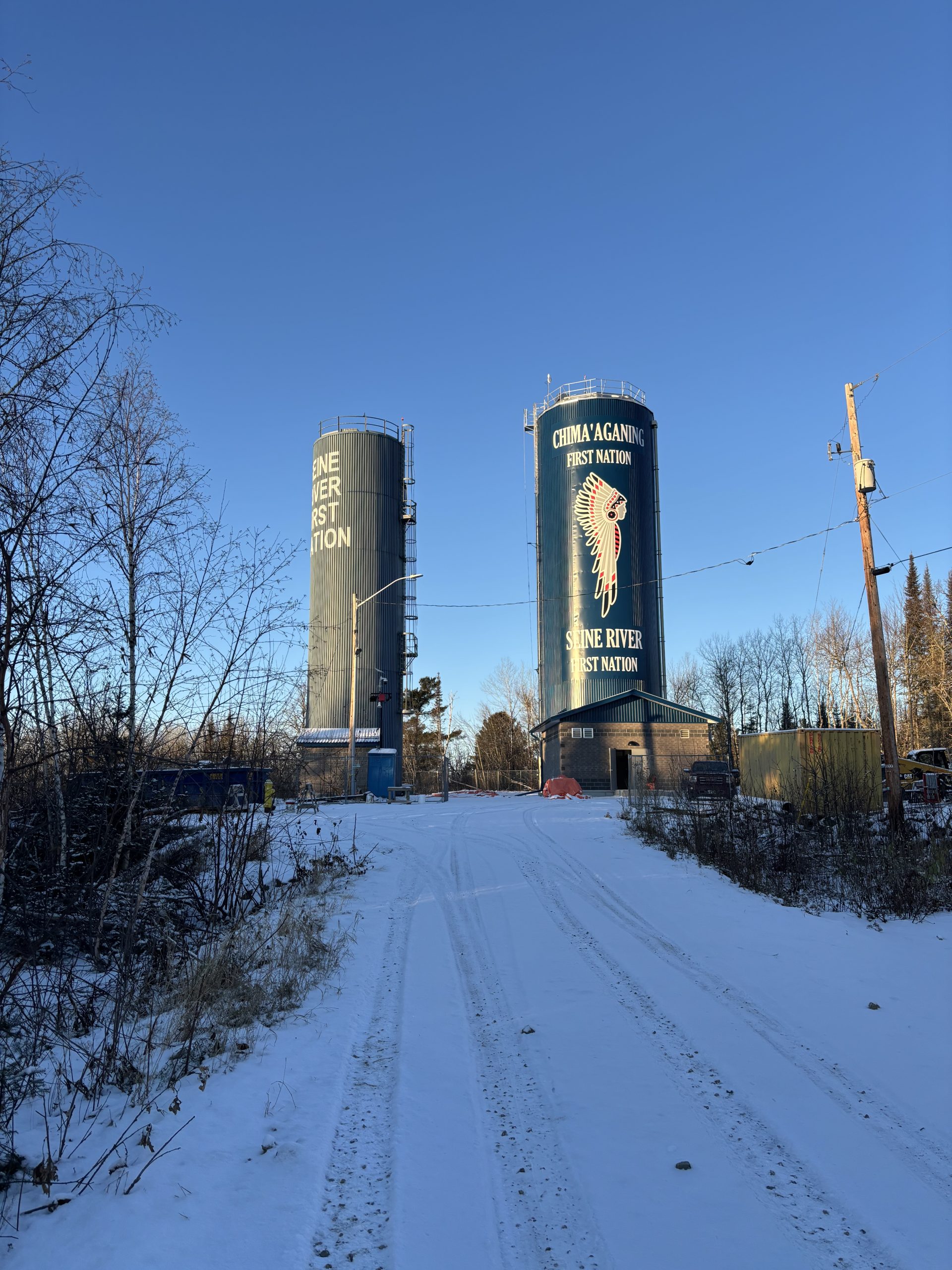
The New Standpipe Project in Seine River First Nation addresses critical limitations in the community’s existing water storage infrastructure. Through detailed hydraulic analysis and system planning, FNESL designed a new standpipe and supporting distribution upgrades to ensure reliable pressures, adequate fire protection, and long-term operational performance of the water system.
First Nations Engineering Services Ltd. (FNESL) served as the Design Engineer and Contract Administrator for the New Standpipe Project in Seine River First Nation, which was awarded in 2022. The project was initiated following an updated Water Treatment Feasibility Study which evaluated the community’s long-term water storage requirements and the operational limitations of the existing infrastructure.
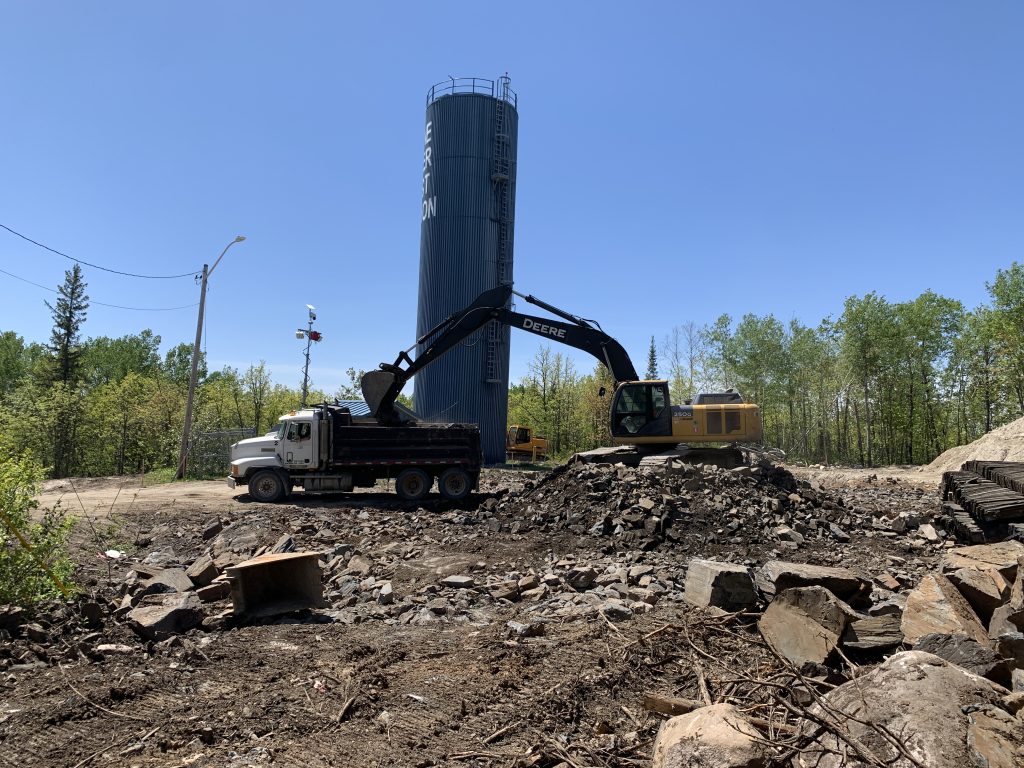
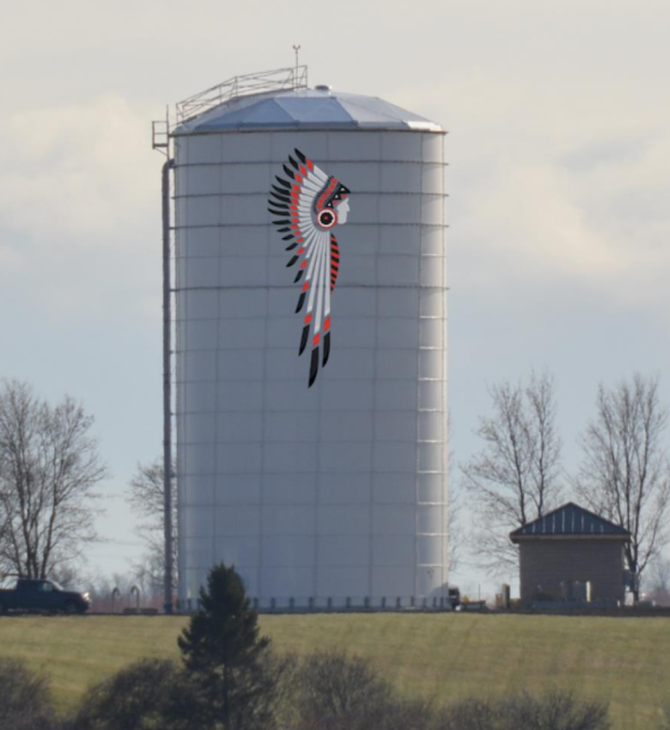
The existing water distribution system included a 500 m³ standpipe located at one of the highest elevations in the community. Operational challenges had been identified with the aging structure; it was being operated at approximately half capacity which significantly limited the usable storage volume and reduced the system’s ability to maintain consistent pressures throughout the distribution network. In addition, the manufacturer confirmed that the tank design was no longer used for potable water; ultimately the structure had effectively reached the end of its service life, with failing gaskets, coatings, and structural components that would require a complete rebuild to remain operational and meet the growing communities needs.
To address these issues, FNESL completed a comprehensive evaluation of the community’s water storage requirements and the overall performance of the distribution system. Hydraulic modelling was undertaken to analyze future demands, pressure requirements, and fire protection needs over a 20-year planning horizon. The analysis considered both community growth and fire flow requirements for key community buildings, and other critical facilities throughout the territory.
The recommended solution included the design and construction of a new standpipe sized to meet equalization, emergency storage, and fire protection requirements while supporting the installation of sprinkler systems in critical community facilities. The new system was designed to integrate with upgraded distribution infrastructure and coordinate directly with the existing Water Treatment Plant pumping and control systems. Design considerations prioritized long-term reliability, water quality management, operational efficiency, and minimal disruption to the existing water supply during construction.
FNESL applied a structured project delivery approach to ensure the successful implementation of the new water storage infrastructure. The process began with the conceptual design phase, where existing infrastructure conditions were reviewed, site investigations were completed, and key project parameters were established with the project team. This work included topographical surveying, geotechnical investigation coordination, environmental review, and confirmation of the dimensional and operational requirements of the standpipe. The outcome of this phase was the preparation of a conceptual design brief that established the preferred storage configuration and confirmed the technical direction of the project with the project team and broader community.
Following conceptual planning, the project advanced into the detailed design phase, during which FNESL prepared comprehensive engineering drawings, technical specifications, and control strategies for the new storage facility. Design work included integration with the existing water treatment plant controls, process piping and valve chamber design, electrical and control systems, backup power provisions, and planning for the eventual decommissioning of the existing standpipe once the new facility was fully commissioned.
Following conceptual planning, the project advanced into the detailed design phase, during which FNESL prepared comprehensive engineering drawings, technical specifications, and control strategies for the new storage facility. Design work included integration with the existing water treatment plant controls, process piping and valve chamber design, electrical and control systems, backup power provisions, and planning for the eventual decommissioning of the existing standpipe once the new facility was fully commissioned.
Once the design was finalized, FNESL led the tendering process, including contractor pre-qualification, tender call, site meetings, tender evaluation, and recommendation for award. During construction, FNESL provided full contract administration and field inspection services to ensure that the work was completed in accordance with the approved drawings, specifications, and regulatory requirements. This included shop drawing review, construction monitoring, materials testing coordination, and quality assurance inspections throughout the project.
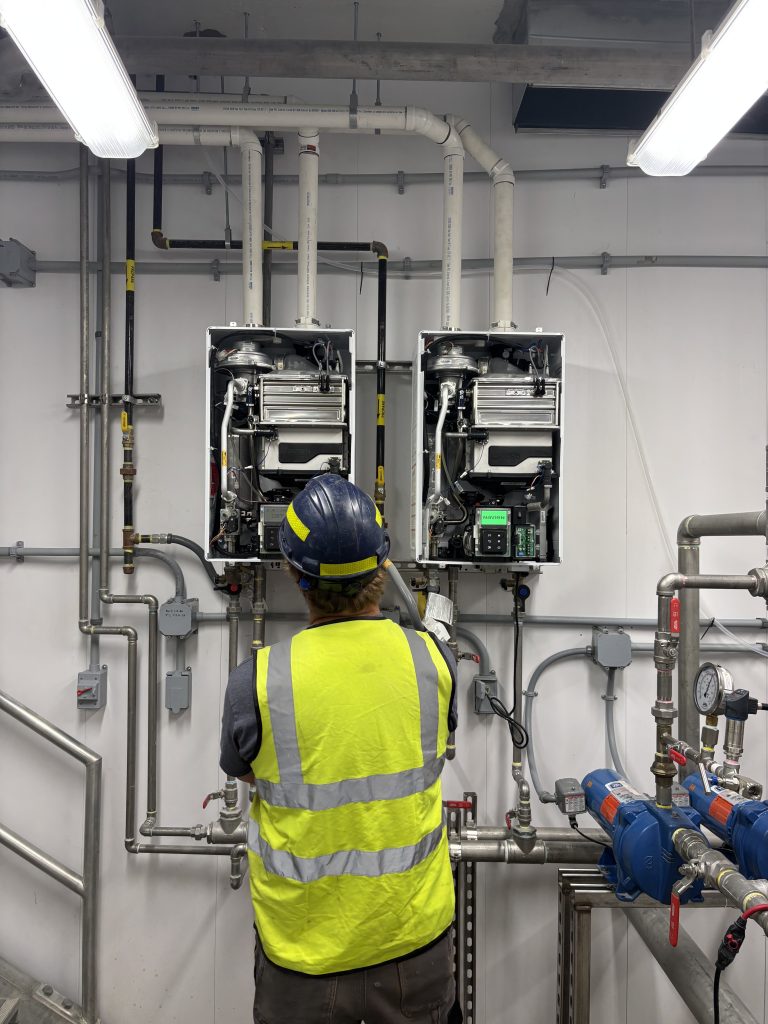
The project concluded with a comprehensive commissioning and startup phase where the new standpipe was tested, disinfected, and integrated into the community’s water treatment and distribution system. FNESL oversaw system commissioning, operator training, and the preparation of operations and maintenance documentation to ensure that community operators could effectively manage the new infrastructure. Following successful commissioning, the existing standpipe was decommissioned and removed from service, and the project transitioned into a warranty and post-construction support period.
Through careful planning, technical analysis, and collaborative engagement with the community, the project successfully delivered a modern water storage facility designed to support the long-term reliability, safety, and resilience of the Seine River First Nation water system.